
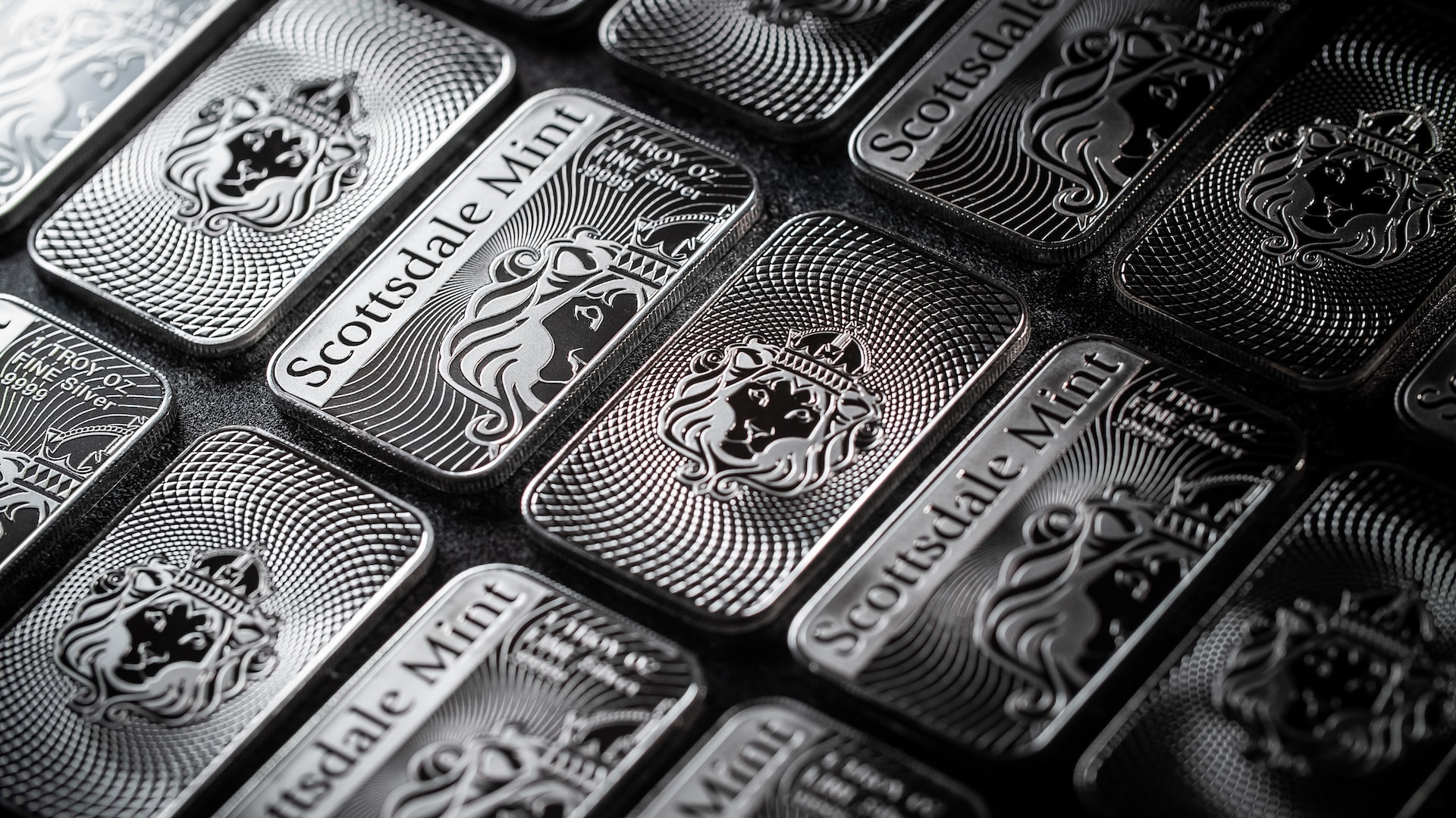
Investing in silver is such a great financial move for all investors looking to diversify their beautiful investment portfolio. With its historical value and potential for long-term growth, silver has proven to be a reliable asset for investors around the world. But how can you maximize your returns when investing in silver?
In this blog post, we will explore some proven strategies that can help you make the most of your silver investments. This guide here will show you valuable insights on how to optimize your silver holdings and potentially boost your profits.
Long-Term Holding Strategies
 When it comes to silver investments, adopting long-term holding strategies can be a prudent approach. Instead of constantly buying and selling based on short-term market fluctuations, a long-term mindset allows investors to take advantage of every single high and low in the market, potentially maximizing their returns in the process.
One key benefit of long-term holding is that it minimizes transaction costs. Constantly buying and selling not only incurs fees but also exposes investors to potential losses if they mistime their trades. By holding onto silver for an extended period, you eliminate these unnecessary expenses and give your investment time to grow.
Regular Portfolio Reassessment
As a savvy investor, it’s crucial to regularly reassess your portfolio to maximize returns on your silver investment. Market conditions and economic trends can shift rapidly, making it necessary to stay informed and adaptable. So you’d better check out the current price of silver every single day. By periodically reviewing your investments, you can make strategic adjustments that may enhance profitability. Begin by evaluating the performance of your silver holdings against industry benchmarks and market indicators. Identify any underperforming assets or sectors that may be dragging down overall returns. Consider reallocating funds from lagging investments into more promising opportunities. Diversification is another key aspect of portfolio reassessment. Take a closer look at the mix of assets in your portfolio and ensure you have a well-balanced blend of silver coins, bars, ETFs, or mining stocks. This diversification helps mitigate risk while potentially increasing potential gains.
Smart Use of Dollar-Cost Averaging
Dollar-cost averaging basically involves investing a fixed amount in silver at regular intervals, regardless of whether the price is high or low. By consistently buying silver over time, you’re able to take advantage of the ups and downs in the market. When prices are low, your fixed investment buys more ounces of silver, increasing your overall holdings. And when prices are high, your fixed investment buys fewer ounces but allows you to continue building your position. With this strategy, instead of trying to time the market and make big bets on when prices will rise or fall, you’re spreading out your investments over time. In addition to these benefits, dollar-cost averaging also offers convenience and flexibility for investors. You can set up automatic recurring purchases with a trusted broker or exchange platform so that you don’t have to constantly monitor the market yourself.
Strategic Selling and Profit Taking
When it comes to maximizing your silver investment returns, strategic selling and profit-taking can play a crucial role. It’s all about timing and knowing when to capitalize on the market trends. Here are some key strategies to consider. Keep an eye on the overall performance of silver in the market. If you notice that prices have reached a peak or if there is a sudden surge, it might be an opportune moment to sell some of your holdings for profit. Also, consider setting specific price targets for selling your silver investments. Stick with your plan and resist any impulse reactions based on short-term fluctuations. Ultimately, seeking advice from financial professionals or experienced investors can provide valuable insights into effectively navigating the silver market. They can help you understand the intricacies of supply and demand dynamics while guiding you toward making well-informed decisions.…

 Gold is a physical asset that you can hold in your hand and see. Unlike stocks or bonds, gold doesn’t exist in digital form only. It’s a tangible, physical commodity that you can touch and hold, making it much easier to trade and store than other investments. Gold is also straightforward to transport. You can take it wherever you go or store it in a safe place.
 The price of gold is determined by several factors, including supply and demand, global economic conditions, and geopolitical events. Gold is considered a safe-haven asset, meaning that investors tend to flock to it during times of market volatility or uncertainty. Gold is also traded on the commodities market, which means its price can fluctuate based on speculation and other factors. However, gold is not as volatile as other commodities, such as oil or silver. What does this mean for investors? Well, if you’re thinking of investing in gold, it’s important to understand how the price is determined and what factors could affect it. That way, you can make an informed
 When it comes to gold storage, you have a few different options. You can store physical gold in a safe deposit box at a bank, in a home safe, or even in a safety deposit box at a storage facility. Another option is to invest in gold-backed security, such as an ETF or mutual fund. You store these securities in a brokerage account, which you insure against theft or loss. Finally, you can trade gold derivatives, such as options or futures contracts. Typically you store these securities on the exchange where they were traded. Each of these storage methods has its benefits and drawbacks, so it’s essential to choose the best suits your needs.…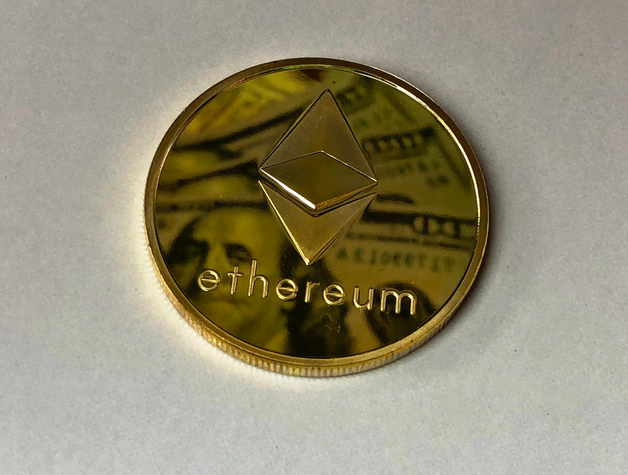
 One of the most important things to learn when buying and selling Ethereum is that there are two orders: Market Orders and Limit Orders. A market order is just what it sounds like– you’re essentially asking for a trade at whatever price your buy/sell comes out as on the other side. The nice thing about this is that it’s a speedy way to get your trade executed, but the downside is that you may not always get the best price.
 One of the most frustrating things about trading Ethereum is paying high fees each time you make a trade. Thankfully, some exchanges have very low or even no fees at all! Be sure to do your research before signing up for an account, and remember to factor in any associated costs when calculating your profits.